

















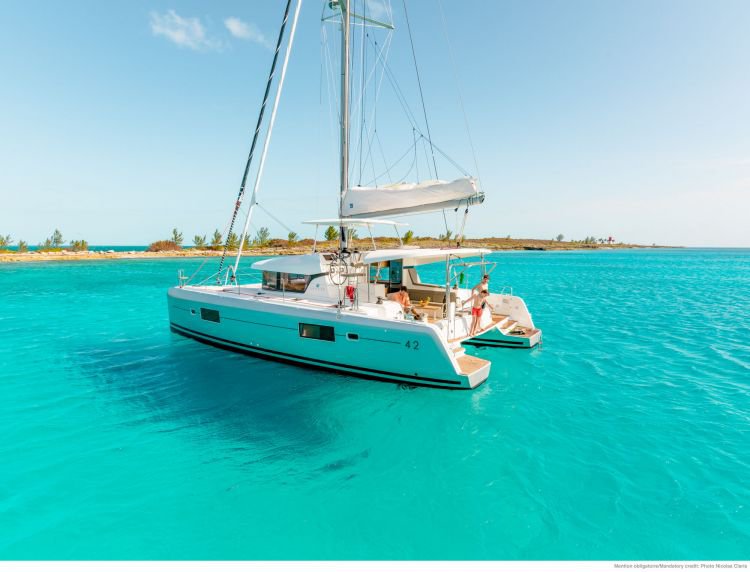
Yacht Charter in British Virgin Islands: Everything You Need to Know
The British Virgin Islands are, by near-universal agreement among offshore sailors, the finest bareboat charter destination in the world. Nowhere else offers the same effortless combination: trade winds that blow a reliable 15–25 knots from the east, islands separated by short passages of 3–10 nautical miles, gin-clear water in every shade of turquoise, and a yachting infrastructure so well-developed that almost every anchorage has a floating bar serving cold Painkillers. The sailing is genuinely easy — predictable winds, gentle swells, no harsh currents in the main Drake Passage — yet the rewards are spectacular.
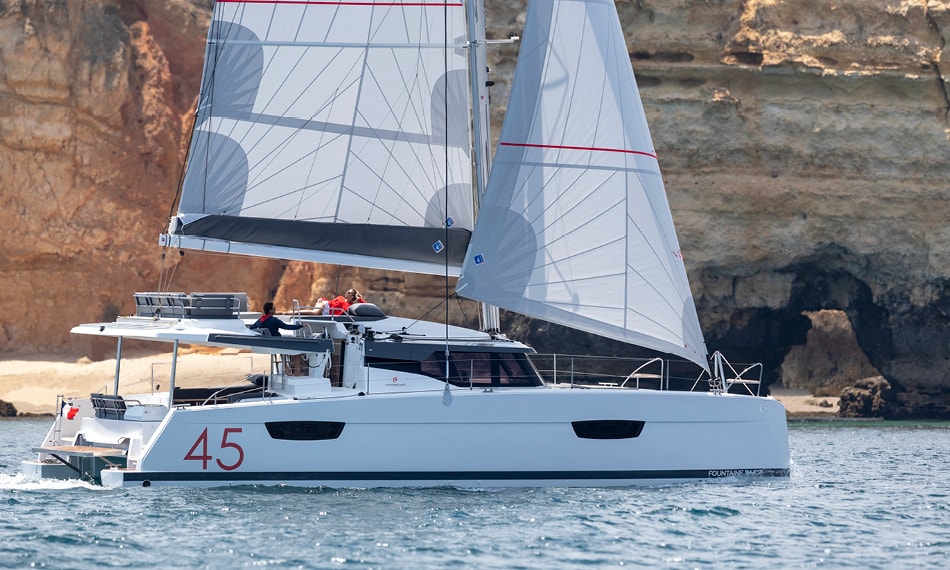
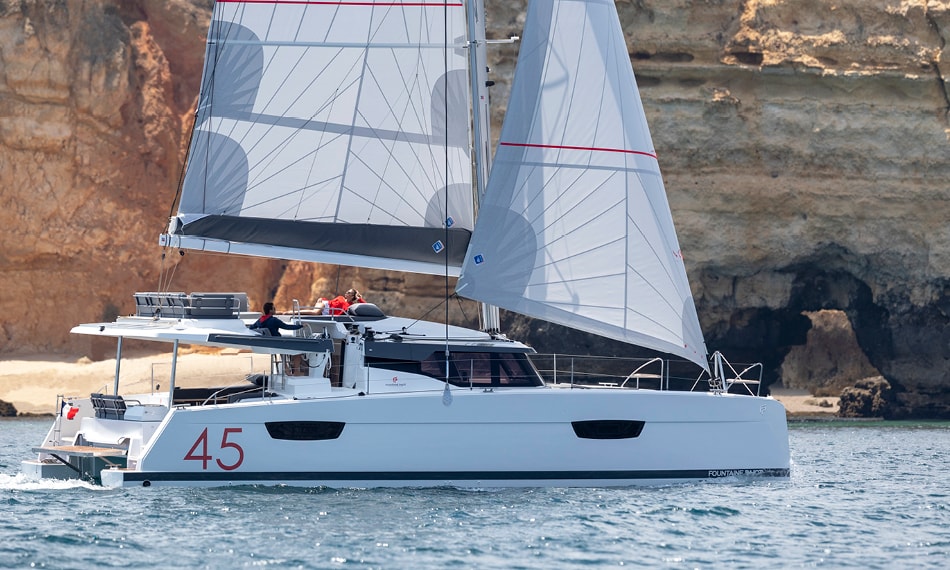
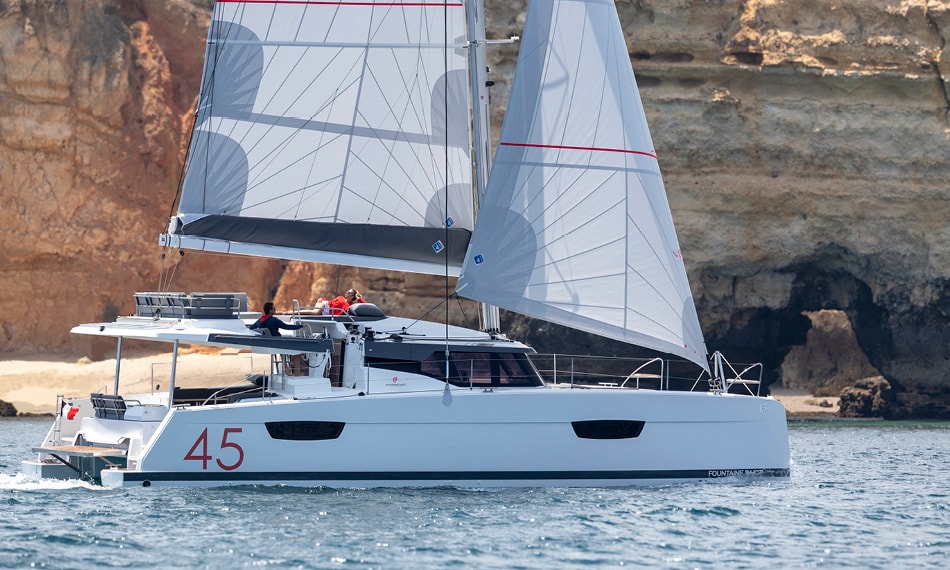
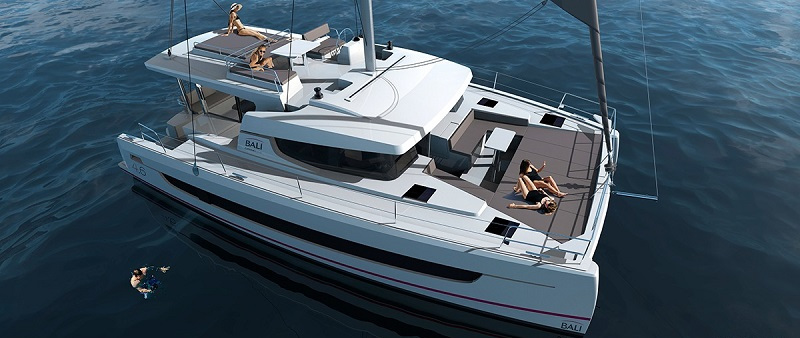
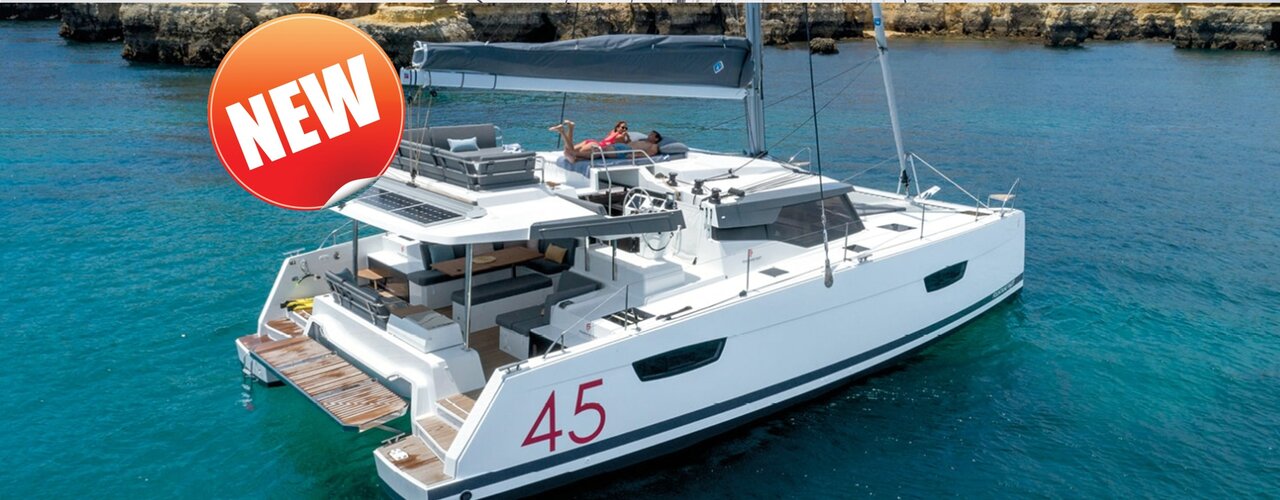
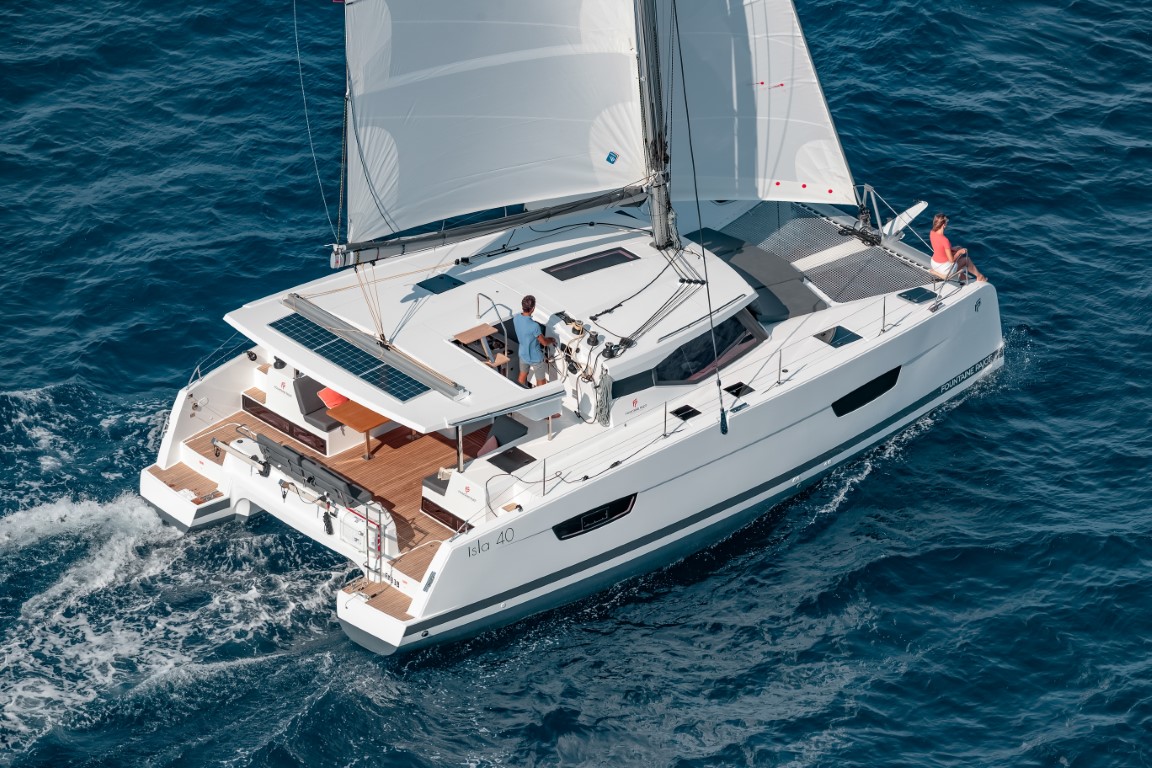
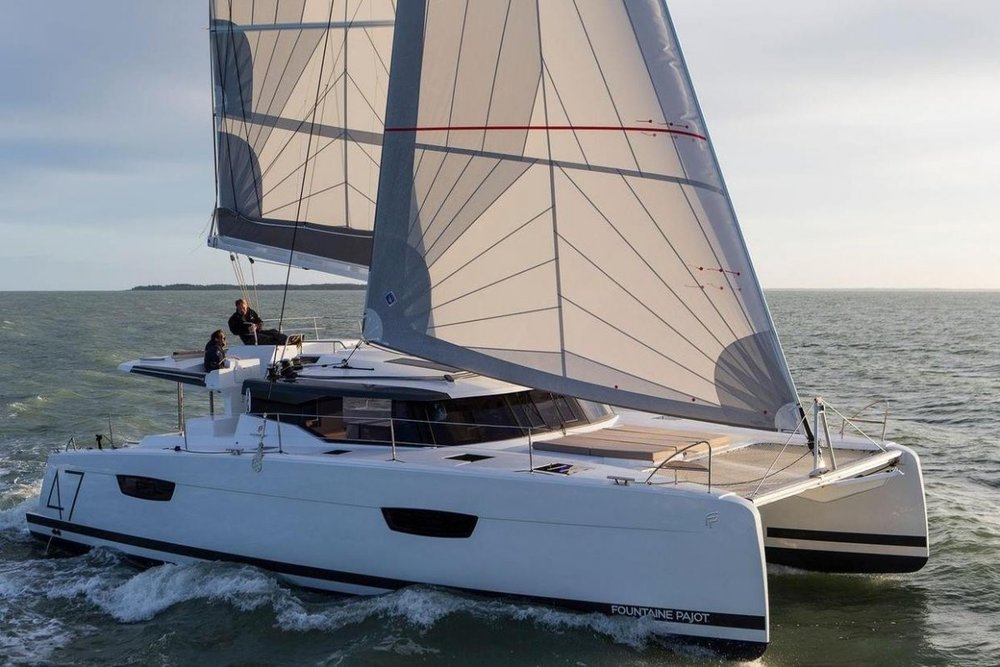
On Boatyn you'll find a curated selection of bareboat and crewed charter yachts based in the BVI. Whether you want a performance catamaran for a group of twelve or a nimble monohull for two, we connect you directly with verified operators at the Best Price Guarantee. Real-time availability, transparent fees and free cancellation on most bookings mean you can plan your Caribbean escape without risk.
The BVI sailing season runs November through June, with the sweet spot falling between December and April when the northeast trade winds blow most consistently and the threat of Atlantic hurricanes is essentially zero. July through October is hurricane season — charter companies dramatically reduce prices during this period, and while conditions can be fine for weeks at a time, experienced crews willing to monitor weather forecasts can find extraordinary value.
Why Sail in British Virgin Islands in 2026?
The BVI has been the world's premier bareboat charter destination for over 50 years, and the infrastructure exists nowhere else in the Caribbean. Here's why sailors keep coming back:
Trade Wind Reliability
The northeast trade winds that sweep across the BVI are the most consistent sailing breeze in the Caribbean. In December through April they blow 15–25 knots day after day, often accelerating to 30 in the passages between islands. The Sir Francis Drake Channel — the protected waterway running east–west between Tortola and the southern island chain — gives you the trade wind on a broad reach in both directions, meaning every sail is comfortable regardless of which way you're going. Beginners find the BVI manageable; experienced offshore sailors find it joyous.
Short Hops, Maximum Discovery
No passage between the major BVI anchorages exceeds 12 nautical miles. You can depart at 10 am with a leisurely breakfast aboard, be anchored at your next destination by noon, swim before lunch and be sitting in a beachfront bar by early afternoon. This rhythm — sail a little, swim a lot, eat fresh fish, repeat — is the BVI charter experience in a sentence. With 60+ distinct anchorages across the main islands, you can charter multiple times and never repeat the same itinerary.
The BVI Legendary Anchorages
The Baths at Virgin Gorda — a labyrinth of granite boulders forming tidal pools, grottos and cathedral-like chambers — are among the Caribbean's most photographed natural wonders. The Indians (four dramatic pinnacles rising from the sea near Norman Island) offer snorkelling through walls of soft coral. The caves at Norman Island itself — said to have inspired Robert Louis Stevenson's Treasure Island — are stuffed with fish. Anegada, the flat coral atoll at the northern edge of the BVI, has the finest lobster restaurants in the Caribbean and a reef-diving experience unlike anything in the main channel.
World-Class Provisioning & Infrastructure
Nanny Cay, Village Cay and The Moorings base in Road Town have chandleries, provisioning supermarkets, diesel docks, boat-specific mechanics and competitive flotilla support. The infamous Soper's Hole Wharf & Marina on the western tip of Tortola is a rum-soaked institution with restaurants, a dive shop and WiFi. At the other end of the spectrum, Bitter End Yacht Club on Virgin Gorda's North Sound has operated as the Caribbean's most famous sailing resort for decades. Infrastructure at every level of budget exists.
Top Charter Bases in British Virgin Islands
Road Town, Tortola — The BVI Charter Hub
Tortola's capital is where the majority of the BVI charter fleet is based. Village Cay Marina sits right in Road Town harbour, walking distance from the ferry terminal with regular services to St John (USVI) and St Thomas. The Moorings — the world's largest charter company — operates its flagship Caribbean base here. Road Town has two large provisioning supermarkets (Bobby's and RiteWay), a West Marine chandlery, fuel docks and immigration/customs clearance for those arriving by sea. Tortola's Terrence B. Lettsome International Airport has direct flights from Miami (American Airlines), New York (JFK/AA) and London Gatwick (British Airways — seasonal), with easy connections via San Juan.
Nanny Cay Marina, Tortola — The Technical Base
Three nautical miles west of Road Town on Tortola's south shore, Nanny Cay is the preferred base for sailors who want a fully equipped technical yard. The marina has 200 berths, a travel-lift, excellent mechanical workshops, a dive shop, a good restaurant and a small hotel. Many independent charter operators keep their fleets here rather than at the more commercial Road Town bases. The passage from Nanny Cay straight into the Sir Francis Drake Channel is clean and direct.
Trellis Bay, Beef Island — East Tortola
At the eastern end of Tortola, immediately adjacent to the international airport, Trellis Bay is popular with those flying in who want to be aboard and sailing the same afternoon. The bay is well protected, with a full-moon artisan market, a floating bar (The Last Resort on Bellamy Cay) and good dinghy dockage. The leap from Trellis Bay to North Sound Virgin Gorda is only 7 nautical miles — you can be swimming at the Baths by late morning on day one.
Virgin Gorda Yacht Harbour
On Virgin Gorda's south coast, just 30 minutes by fast ferry from Road Town, Virgin Gorda Yacht Harbour offers a quieter alternative base for boats operating primarily in the eastern BVI. The Baths are a 5-minute dinghy ride away, North Sound is around the island to the northeast, and Eustatia Sound and Prickly Pear Island are within easy reach. Customs clearance is available here for entries from the USVI. Provisioning is more limited than Tortola — plan to stock up before departing Road Town.
Bitter End Yacht Club, North Sound, Virgin Gorda
The most famous sailing resort in the Caribbean, recently rebuilt after Hurricane Irma damage, Bitter End sits at the sheltered head of North Sound. Everything arrives by water — there are no roads into BEYC. The resort offers kayaking, sailing clinics, windsurfing, kitesurfing and its legendary open-water swimming lagoon. Mooring buoys in North Sound are among the most protected in the BVI; even in strong trade wind conditions this anchorage is flat. A mandatory stop on any BVI charter itinerary.
Suggested British Virgin Islands Itineraries
Classic BVI Circuit: Road Town → Virgin Gorda → Anegada → Jost Van Dyke → Road Town
The quintessential BVI week. Day 1: Depart Road Town, sail east along the Drake Channel to The Baths at Virgin Gorda (18 NM) — anchor off the beach or pick up a mooring buoy (mandatory). Swim through the famous granite grottos in the afternoon. Day 2: North Sound, Virgin Gorda — Bitter End Yacht Club, kayak through the mangroves. Day 3: Anegada — the only flat coral island in the BVI, reached by a 14 NM passage. Lobster lunch at Cow Wreck Beach, snorkel on the horseshoe reef. Day 4: Return west to the Dogs (round granite outcrops with spectacular snorkelling) then Norman Island — anchor in The Bight, kayak to Treasure Caves. Day 5: Peter Island resort beach, then anchor at Deadman Bay. Day 6: Cooper Island's palm-fringed anchorage, then overnight at Great Harbour, Jost Van Dyke. Day 7: Soggy Dollar Bar (the home of the Painkiller cocktail), White Bay, Jost Van Dyke. Return to Road Town (10 NM).
- The Baths, Virgin Gorda
- Anegada lobster
- Norman Island Treasure Caves
- Soggy Dollar Bar
- Bitter End Yacht Club
Leeward Circuit: Road Town → Cane Garden Bay → Jost Van Dyke → Sandy Cay → Road Town
Perfect for a long weekend or mid-week charter. Day 1: Cross to Jost Van Dyke's Great Harbour (8 NM from Road Town) — customs clearance, Foxy's Bar, sunset cocktails. Day 2: White Bay (2 NM west) — the Soggy Dollar Bar doesn't open until 10am; anchor overnight on the mooring field. Day 3: Sandy Cay (NPS), a tiny uninhabited island with perfect snorkelling and a short beach walk through the interior. Afternoon: Sandy Spit — one floating bar, hammocks, zero stress. Day 4: Cane Garden Bay on Tortola's north shore — one of the Caribbean's most photographed bays, rum bar culture, good restaurants. Return to Road Town.
- Soggy Dollar Bar
- Sandy Spit floating bar
- Foxy's Bar Jost Van Dyke
- Cane Garden Bay sunsets
Yacht Charter Prices in British Virgin Islands 2026
| Boat Type | From | Up to | Notes |
|---|---|---|---|
| Catamaran (40–45 ft, 4 cabins) | $4,500/week | $8,500/week | Bareboat, shoulder season (Nov–Dec, May–Jun) |
| Catamaran (40–45 ft, 4 cabins) | $7,000/week | $14,000/week | Bareboat, peak season (Jan–Mar) |
| Sailing Monohull (44–50 ft) | $3,500/week | $6,000/week | Bareboat, shoulder season |
| Crewed catamaran (48–55 ft) | $15,000/week | $35,000/week | All-inclusive, professional captain & chef |
Prices are indicative for the 2026 season. Actual rates vary by vessel, week and availability. Boatyn's Best Price Guarantee means you'll never pay more than booking direct with the charter company.
Practical Information for British Virgin Islands Charters
Customs & Entry
The BVI is a British Overseas Territory. All foreign vessels must clear customs and immigration on arrival. Clear in at Road Town, West End (Soper's Hole), Jost Van Dyke or Virgin Gorda. Cruising permits are required for all private vessels and are issued during clearance. USVI and BVI are separate territories — crossing between them requires clearance in both directions. Keep your USVI clearance paperwork if you plan to return via St John or St Thomas.
Mooring Buoys & Anchoring
The BVI National Parks Trust maintains mooring buoys at most major anchorages — The Baths, The Indians, Pelican Island, Sandy Cay, Norman Island Caves and others. Anchoring is prohibited in many buoy zones to protect the reef. Buoys cost $30–35 USD/night. Arrive early in the afternoon during peak season (January–March) — prime mooring zones at The Baths and Norman Island fill by 2 pm. Catamarans typically pay double the monohull rate.
Hurricane Season (July–October)
The BVI lies in the Atlantic hurricane belt. Season officially runs 1 June through 30 November, with peak risk in August–October. In 2017, Hurricane Irma caused catastrophic damage — the BVI has since rebuilt substantially, but this history underlines the seasonal risk. Many charter companies suspend or severely limit operations during peak hurricane months; those that continue require experienced crews and close weather monitoring. Trip insurance is mandatory for any summer booking.
Currency & Budget
The BVI uses the US Dollar. Mooring fees, restaurant meals and charter extras are priced in USD. Budget $100–150 USD/day for a boat of 4–6 people covering fuel, mooring fees, provisioning and one restaurant meal. The BVI is not a budget destination — Anegada lobster dinners run $60+ per person, and marina restaurants across the islands are similarly priced. The USVI (St Thomas, St John) offer cheaper provisioning if you clear customs for a day trip.
Frequently Asked Questions: British Virgin Islands Yacht Charter
Do I need sailing experience to charter a yacht in the BVI?
For a bareboat charter you'll need a competency certificate (RYA Day Skipper, ASA 104, or equivalent) plus a logbook demonstrating relevant offshore experience. The BVI is forgiving — short passages, reliable winds and good charts — so it suits those with moderate rather than expert experience. First-time charterers or those lacking certificates can hire a local captain through Boatyn for an additional daily fee; many couples do this for the first BVI trip then return bareboat on subsequent visits.
How far in advance should I book a BVI charter?
The peak season (mid-December through mid-April) books out far in advance — 9–12 months ahead for Christmas/New Year and Easter weeks is not unusual. For January–March peak trade-wind sailing, 6–9 months is advisable. Shoulder seasons (November, May–June) and hurricane season (July–October) can be booked 2–4 months out with good availability. Catamarans book faster than monohulls; the best 4-cabin cats are frequently reserved a full year in advance.
Is the BVI safe for sailing?
The BVI is consistently rated among the safest sailing destinations in the Caribbean. Crime against visiting yachts is low, the coastguard and marine rescue infrastructure is well developed, and the NPS mooring system reduces risk from dragging anchors. Coral reefs are the main navigation hazard — always use updated charts (Navionics is recommended) and travel in good light (never enter unfamiliar coral anchorages at night or in overcast conditions). The BVI government produces thorough cruising guides available free at customs on arrival.
Can I visit the US Virgin Islands during a BVI charter?
Yes — many BVI charters include a day or overnight trip to St John (USVI), which lies just 3 nautical miles west of Tortola across Pillsbury Sound. You must clear out of the BVI (at West End) and clear into the USVI (at Cruz Bay, St John) before visiting. The process typically takes 1–2 hours total and is worth it for St John's incredible national park beaches and snorkelling. Clear back into the BVI on return. Note: US customs rules apply in the USVI; non-US citizens should carry passports.
What is the Painkiller cocktail and where was it invented?
The Painkiller is the BVI's signature cocktail — dark rum, pineapple juice, orange juice, cream of coconut, served over ice and dusted with nutmeg. It was invented at the Soggy Dollar Bar on White Bay, Jost Van Dyke in the 1970s. The bar got its name because the only way to reach it was to swim ashore from your dinghy, getting your wallet wet in the process. Pusser's Rum — headquartered in Road Town — now produces an official bottled version. Stopping at Soggy Dollar for a Painkiller is a mandatory rite of passage on any BVI charter.
What are the best snorkelling spots in the BVI?
The BVI has world-class snorkelling at multiple sites: The Indians (four pinnacle rocks rising 100 feet from the sea, covered in coral and fish), the Caves at Norman Island (swim into the grottos with torch fish and tarpon), the RMS Rhone wreck at Salt Island (a partially intact 1867 Royal Mail ship in 15 metres of water — famous from the film The Deep), the reef at Anegada's east end, and the coral walls around Eustatia Sound on Virgin Gorda. Bring your own mask and fins — rental gear is expensive at beach bars.
Other Popular Charter Destinations
Ready to charter in British Virgin Islands?
Browse our full fleet with real-time availability, transparent pricing and no hidden fees.
Search British Virgin Islands yachts