



















Yacht Charter in Bahamas: Everything You Need to Know
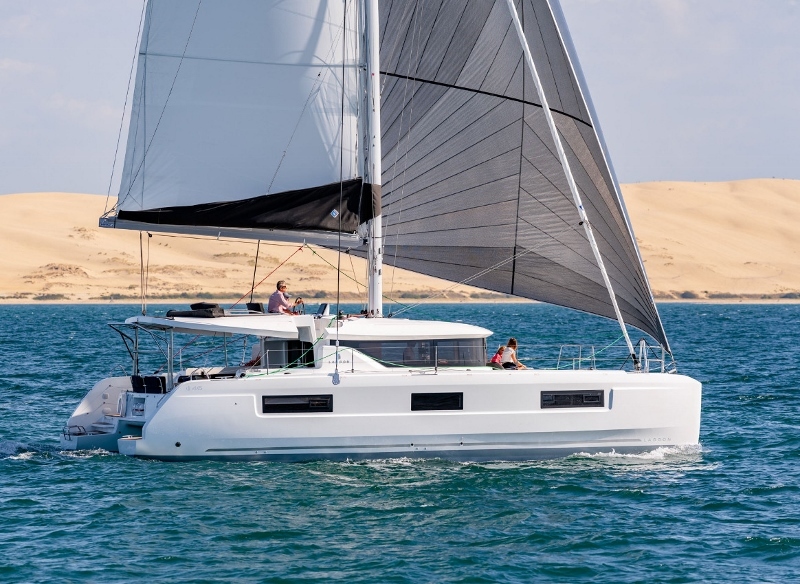
The Bahamas is a sailor's dream written in water: 700 islands, 2,400 cays and the most improbable shades of turquoise in the Atlantic Ocean, all within easy reach of the US East Coast. Sailing in the Bahamas means days of gliding across water so shallow and clear that you can read a book by the light reflecting off the sandy bottom, anchoring in uninhabited coves with nothing but palm trees and frigate birds for company, and evenings in tiny settlements where the whole village seems to appear at the waterfront to watch the sunset. It is one of the few places left in the world where the word 'unspoiled' is not yet an exaggeration.
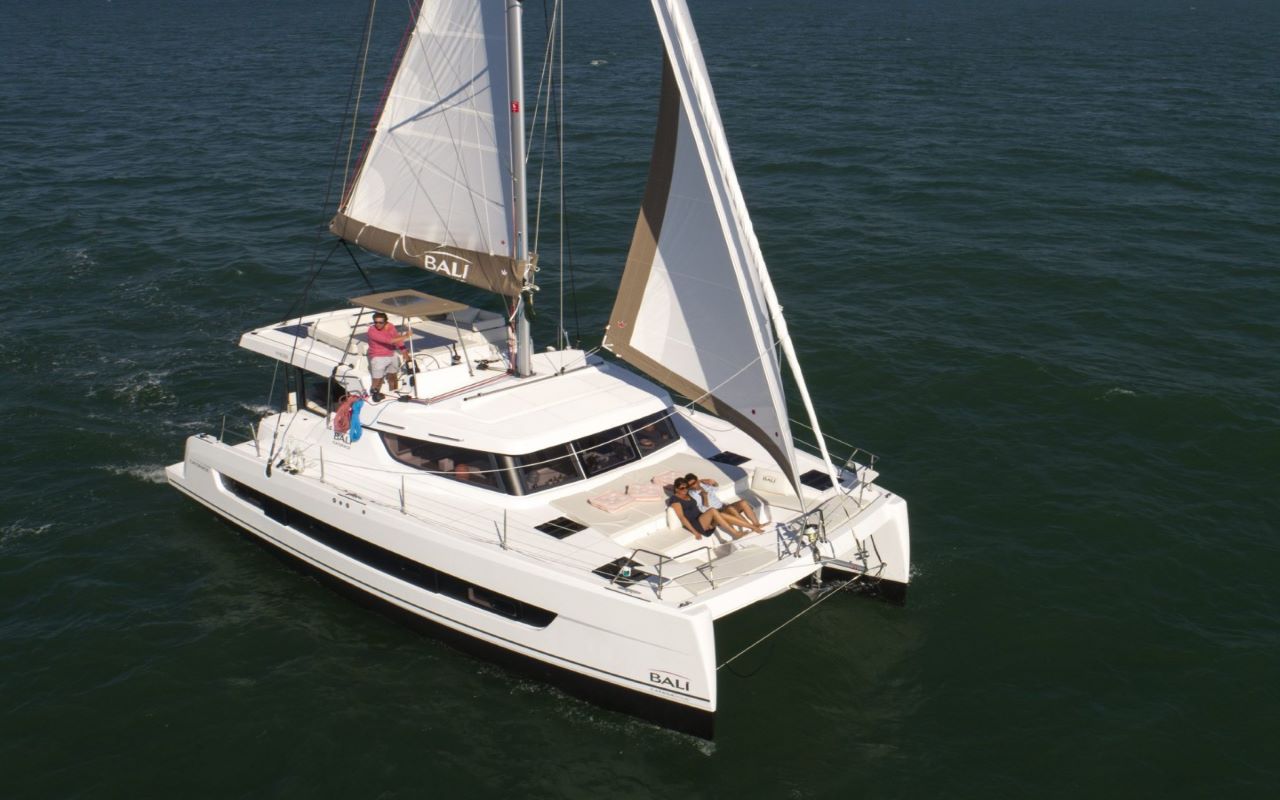
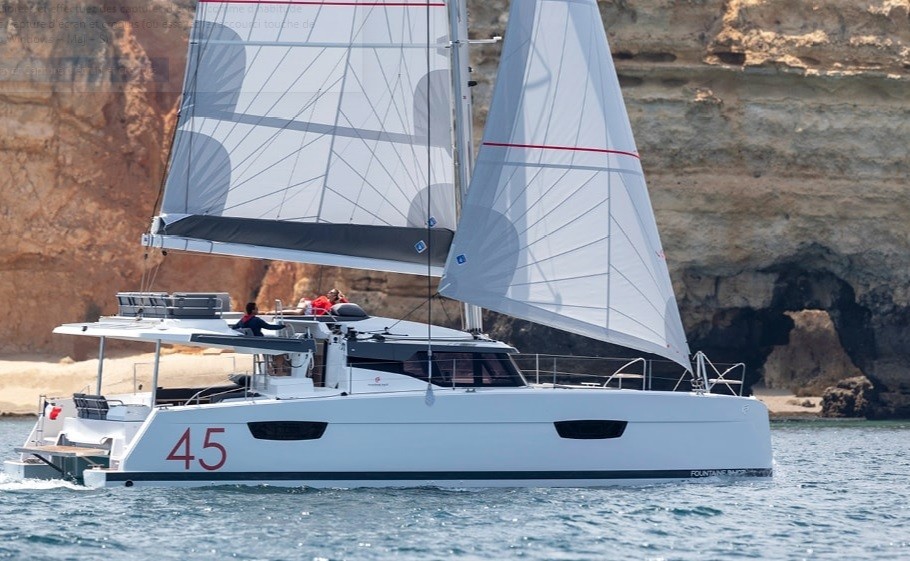
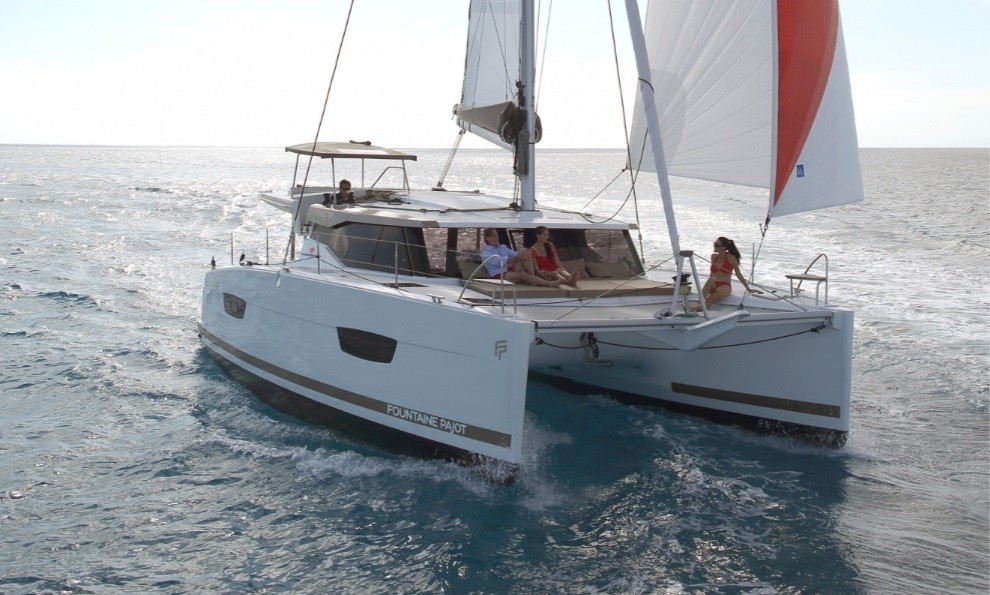
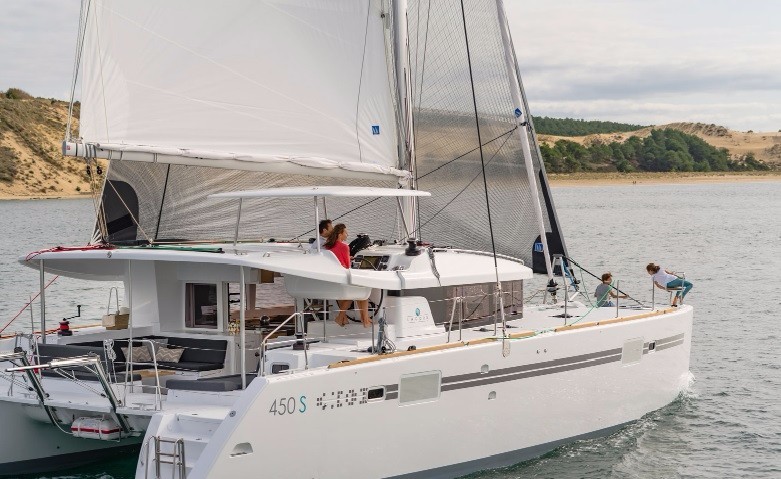
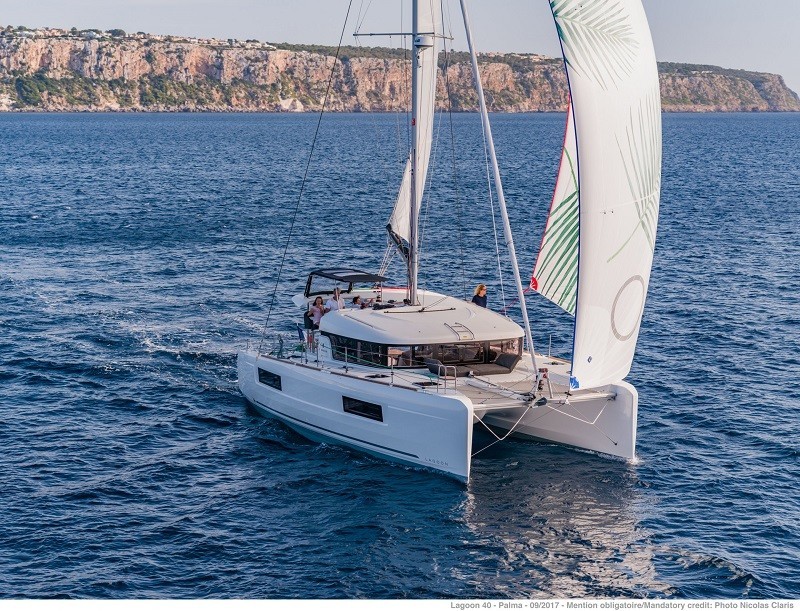
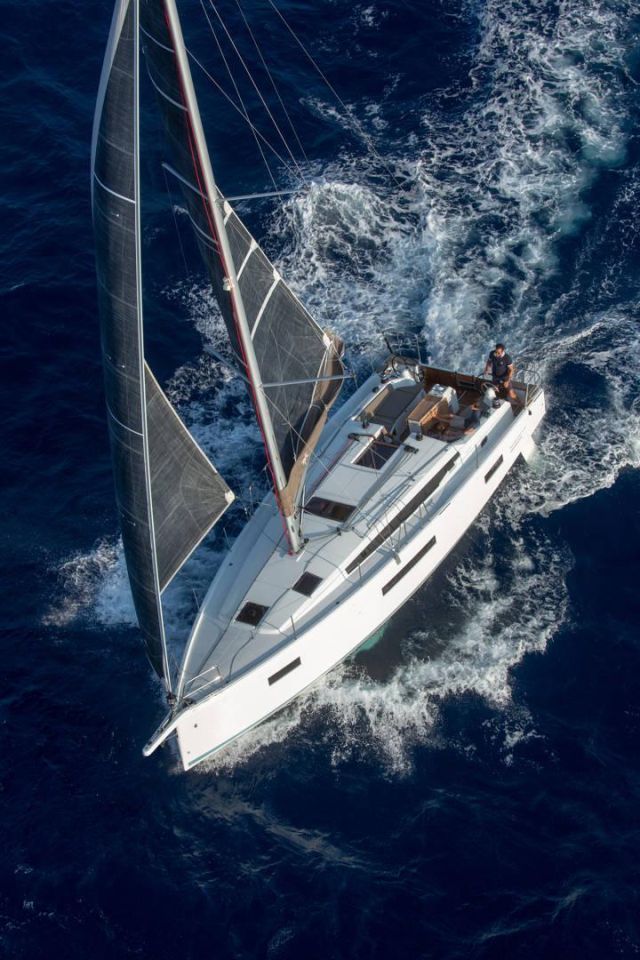
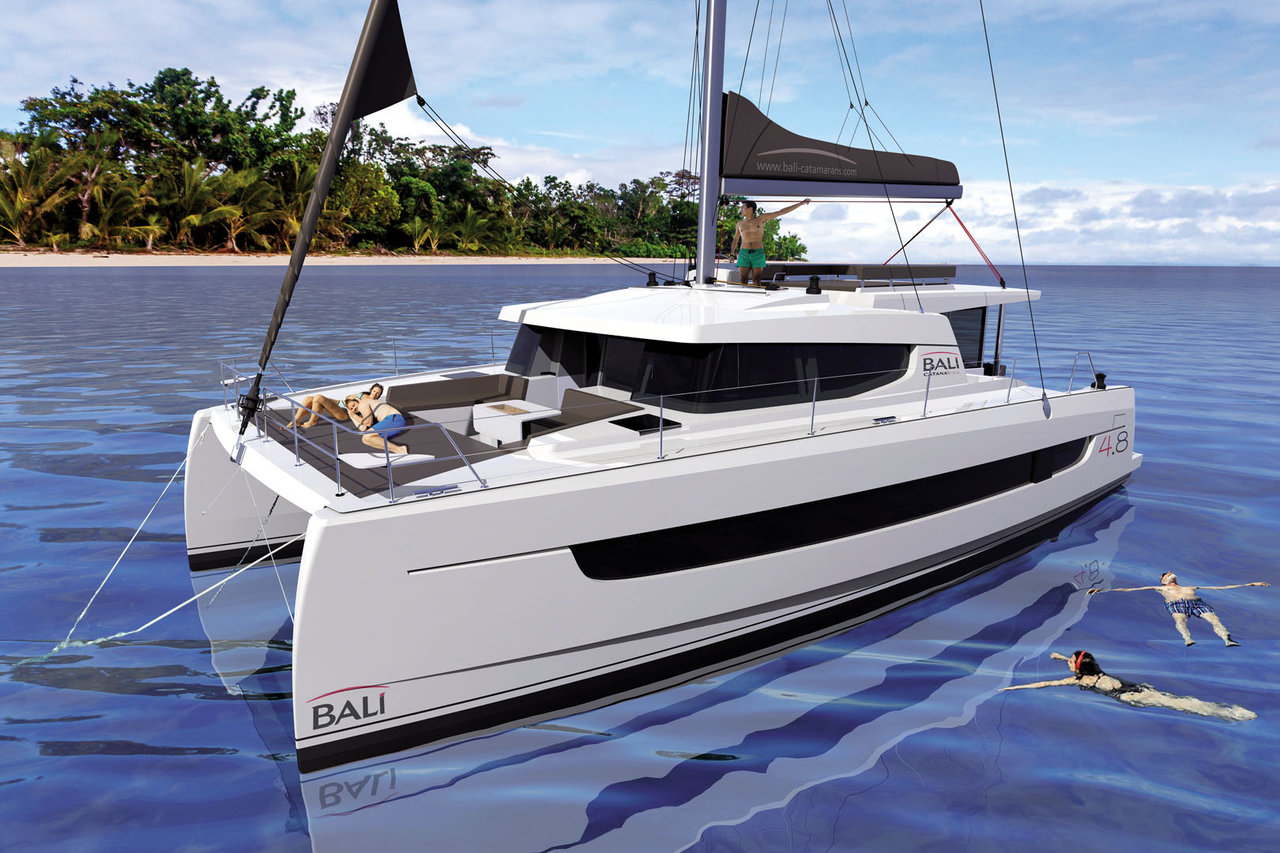
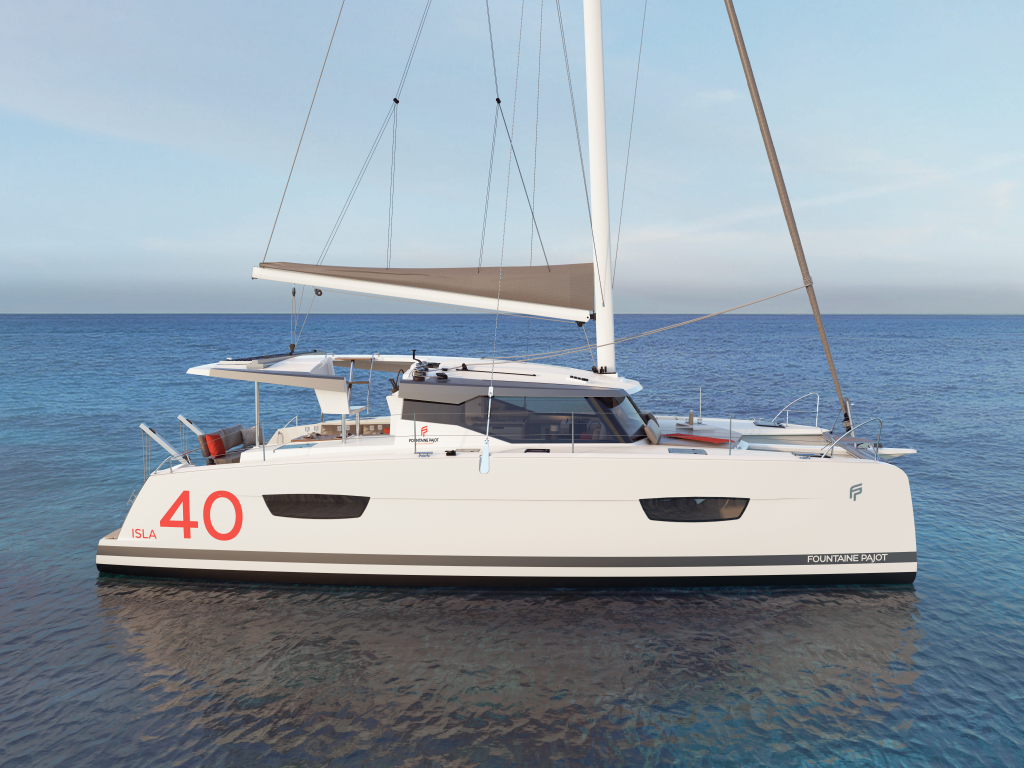
On Boatyn you'll find a selection of bareboat and crewed charter yachts based in the Bahamas — from performance monohulls to spacious catamarans capable of crossing the Gulf Stream from Florida in a morning. We work with verified operators with local knowledge, because in the Bahamas, knowing the tides, cuts and sand banks is the difference between a brilliant trip and a hard grounding. Best Price Guarantee, real-time availability and transparent fees across every booking.
The Bahamas sailing season runs November through June, with the prime window between December and April when the trade winds are most reliable and the air and water temperatures are glorious. Summer (July–October) is technically hurricane season, and while many weeks pass without incident, the risk is real — experienced crews monitoring weather can find extraordinary value in the discounted shoulder season, but beginners should stick to winter and spring.
Why Sail in Bahamas in 2026?
The Bahamas offers an experience that nowhere else in the Atlantic can replicate: true off-the-beaten-track sailing within half a day of Florida, with water colours and anchorage quality that rival the South Pacific.
The Colour of the Water
The Bahamas sits atop a limestone platform — the Great Bahama Bank — that in places is only 1–3 metres deep, creating a vast shallow lagoon of almost impossible turquoise. Sailing over the banks on a sunny day is a visual experience unlike anything in the Mediterranean: the water is not deep blue but vivid cyan, lit from below by white sand and lit from above by Caribbean sun. The Exumas in particular — a chain of 365 cays stretching 150 nautical miles southeast of Nassau — are frequently cited by professional photographers as the most photogenic sailing waters in the world.
The Exumas: A Private Archipelago
The Exuma island chain is the Bahamas at its most seductive. Staniel Cay has the famous swimming pigs of Big Major Cay (yes, feral pigs who swim out to boats for food), the stunning Thunderball Grotto (used in two James Bond films), a yacht club bar and excellent provisioning. The Exuma Land and Sea Park — a pristine national park south of Staniel Cay — has no permanent population and some of the most spectacular snorkelling in the Atlantic. Georgetown, at the southern end, is where the cruising community gathers from January through April for the famous Bahamian Music Festival regatta.
The Abacos: Sailing Community & Protected Waters
The Abaco islands in the north are the Bahamas' most developed sailing destination, with a system of protected Sound waters running behind an outer barrier cay that makes for genuinely easy sailing. Marsh Harbour has the main charter base and the largest provisioning options outside Nassau. Man-O-War Cay is a boatbuilding island community making traditional Bahamian dinghies for generations; Hope Town on Elbow Cay has a working candy-striped lighthouse and one of the prettiest settlements in the Caribbean. The Abacos suffered devastating damage from Hurricane Dorian in 2019 and has been steadily rebuilding.
Nassau & the Nassau Experience
Nassau is the Bahamas' capital and commercial hub, with an international airport receiving direct flights from most major US and European cities. Nassau Harbour is practical for provisioning, boat work and crew changes, but the city itself — with cruise-ship masses and casino hotels — lacks the charm of the Out Islands. Most experienced sailors treat Nassau as a logistics stop and transit point rather than a destination in itself. That said, the colonial architecture of Bay Street, the Queen's Staircase and Fort Charlotte are worth a morning, and Nassau's restaurant scene has dramatically improved in recent years.
Top Charter Bases in Bahamas
Nassau — Main International Gateway
Nassau Harbour on New Providence Island is the Bahamas' main charter hub, benefiting from direct international flights from London, New York, Miami, Toronto and other major hubs. Nassau Yacht Haven Marina and the Nassau Harbour Club are the main charter bases. From Nassau you can sail directly to the Exumas (the nearest cay is about 35 NM by sea) or north toward the Abacos. The crossing to the Exumas via the Yellow Bank requires care — it's shallow, tricky in strong winds and best done in calm morning conditions with good light and updated charts. Most operators provide local briefings before departure.
Staniel Cay — Heart of the Exumas
Staniel Cay is the unofficial capital of the Exuma chain — a tiny settlement with a yacht club, a one-runway airstrip (flights from Nassau, Fort Lauderdale and Miami), a fuel dock, a small grocery and the famous swimming pigs at Big Major Spot. Chartering from Staniel Cay gives you immediate access to the best of the central Exumas in both directions: north toward Warderick Wells and the Land and Sea Park, south toward the Long Island settlement at Salt Pond. The Happy People Marina at Staniel Cay is the essential first stop for fuel, ice and local lobster.
Georgetown, Great Exuma — Southern Exumas
Georgetown at the southern end of the Exuma chain is one of the Caribbean's great cruising gathering points. Stocking Island, just across the Elizabeth Harbour from Georgetown, has three excellent anchorages, a famous Chat 'N' Chill beach bar and volleyball tournament, and excellent snorkelling on the ocean side reef. Between January and April, 200–500 cruising boats gather here for the informal 'cruising regatta' — a series of race days, potluck dinners and volleyball games that has been running since the 1980s. Georgetown has an international airport, a Batelco (telecommunications), a large grocery and customs clearance.
Marsh Harbour, Abacos
The main hub for Abacos sailing. Marsh Harbour is the third-largest settlement in the Bahamas, with the best provisioning outside Nassau — two large groceries (Maxwell's and Price Right), a West Marine, a fuel dock and multiple boatyards. The town suffered devastating damage in Hurricane Dorian (2019) and continues to rebuild; most marine services are operational. From Marsh Harbour, day sails reach Hope Town (Elbow Cay), Man-O-War Cay, Green Turtle Cay and the full length of the protected Abaco Sound. Treasure Cay Airport has direct connections to Fort Lauderdale and other US cities.
Nassau to Bimini (Gulf Stream)
Bimini, 50 nautical miles east of Miami across the Gulf Stream, is the closest Bahamian island to the United States and a popular destination for Florida-based charter boats making their first offshore crossing. The passage across the Gulf Stream requires timing against the current (the stream runs north at 2–3 knots) and monitoring for the sudden squall lines that can develop over the warm water. Bimini has customs clearance, a fuel dock and the famous Compleat Angler Hotel where Ernest Hemingway wrote much of Islands in the Stream.
Suggested Bahamas Itineraries
Exumas Discovery: Nassau → Staniel Cay → Exuma Park → Georgetown
The classic Bahamas liveaboard route. Day 1: Nassau provisioning and overnight. Day 2: Cross the Yellow Bank to Highbourne Cay (35 NM) — anchor off the immaculate beach, first Bahamian waters. Days 3–4: Work south through Norman's Cay (site of Pablo Escobar's airstrip, now an extraordinary snorkelling wreck) and Warderick Wells (land-based trails and whale bones on the beach). Day 5: Exuma Land and Sea Park headquarters at Warderick Wells — clear into the park, no anchoring on the bank. Day 6: Staniel Cay — swimming pigs at Big Major, Thunderball Grotto snorkel (dive with Bond). Day 7: Continue south via Black Point settlement (local bakeries, settlement life) to Little Farmers Cay. Day 8: Rudder Cut Cay — private island, extraordinary beaches. Day 9: Great Exuma, Georgetown arrival, Elizabeth Harbour anchorage. Day 10: Chat 'N' Chill beach, Stocking Island, final night on the hook.
- Swimming pigs, Big Major Cay
- Thunderball Grotto
- Exuma Land & Sea Park
- Chat N Chill beach bar
- Norman's Cay wreck
Abacos Circle: Marsh Harbour → Hope Town → Man-O-War → Green Turtle Cay
The Abacos in a week — protected sound sailing at its most relaxed. Day 1: Marsh Harbour provisioning, fuel, briefing. Day 2: Hope Town on Elbow Cay (6 NM) — the iconic red-and-white striped lighthouse, Wyannie Malone Museum, lunch at Cap'n Jacks. Day 3: Sandy Cay NPS reserve and Guana Cay — lively settlement with Grabbers Beach Bar and Nippers, famous for Sunday parties. Day 4: Man-O-War Cay — traditional boatbuilding island, no alcohol sold (dry island), superb snorkelling. Day 5: Green Turtle Cay — New Plymouth settlement with New England-style colonial architecture, Black Sound marina. Day 6: Back south through the Loyalist Cays to Treasure Cay — famous 3.5-mile crescent beach. Day 7: Return to Marsh Harbour.
- Hope Town lighthouse
- Swimming pigs optional day trip
- Nippers Sunday party
- Man-O-War boatbuilders
- Treasure Cay beach
Yacht Charter Prices in Bahamas 2026
| Boat Type | From | Up to | Notes |
|---|---|---|---|
| Sailing monohull (38–44 ft) | $3,500/week | $6,500/week | Bareboat, shoulder season (Nov–Dec, May–Jun) |
| Catamaran (40–48 ft) | $5,500/week | $11,000/week | Bareboat, peak season (Jan–Apr) |
| Power catamaran (44–52 ft) | $8,000/week | $16,000/week | Bareboat, peak season — faster passages across the banks |
| Crewed sailing yacht (50–60 ft) | $15,000/week | $30,000/week | All-inclusive, professional captain & chef |
Prices are indicative for the 2026 season. Actual rates vary by vessel, week and availability. Boatyn's Best Price Guarantee means you'll never pay more than booking direct with the charter company.
Practical Information for Bahamas Charters
Navigating the Bahama Banks
The Bahamas is not a destination for chart-dependent autopilot navigation. The banks are shallow, the charts are not always accurate to the last metre, and new sand bars form after every major weather event. The essential navigation tool is your eyes: travel in good light (no earlier than 9 am, no later than 3 pm in unfamiliar waters) with the sun behind you and above 45 degrees elevation. In these conditions you can read the bottom colour — dark blue is deep water, light turquoise is shoaling, white is sand, brown is reef. Navionics with the sonar chart overlay is the recommended electronic chart for the Bahamas.
Customs & Entry
All vessels must clear customs on entering the Bahamas. Official ports of entry include Nassau, Bimini, Freeport, Marsh Harbour (Abacos), Georgetown (Exumas) and Green Turtle Cay. A cruising permit is issued at clearance and covers your entire stay. Fees vary by vessel length. Visitors may stay up to 60 days on a single-entry permit. Fishing requires a separate permit. US citizens do not need a passport for cruise ship arrivals, but private yachts must carry passports for all crew.
Provisioning & Water
Provisioning is limited and expensive outside Nassau and Marsh Harbour. The one-room settlement shops in the Out Islands carry basics (canned goods, rice, basic produce) at prices 2–3 times higher than the US. Plan to arrive in the Bahamas with 10–14 days of provisions from a US or Nassau supermarket. Water is precious on the Out Islands — most resorts and marinas sell water by the gallon. Many boats carry a watermaker; if yours does not, budget for at least 10 gallons per person per week.
Gulf Stream & Weather Windows
The Gulf Stream crossing from Florida to the Bahamas (50 miles) is short but requires a weather window. The Stream runs north at 2–3 knots; crossing in a northerly wind creates steep, breaking seas even in 15 knots. Wait for a light southerly or easterly window — 12–15 knots is ideal. The crossing from Fort Lauderdale to Bimini in a 15-knot southeast trade takes 6–8 hours in a typical 40-foot monohull. Monitor the NOAA offshore forecast (Zone ANZ080) 48 hours before departure.
Frequently Asked Questions: Bahamas Yacht Charter
What is the easiest area of the Bahamas for first-time charterers?
The Abacos are widely considered the most beginner-friendly Bahamas sailing area. The protected Abaco Sound runs between the outer cays and the main island, giving you flat water even in strong trade winds. Passages are short (5–15 NM), navigation aids are reasonable, and the cruising infrastructure (fuel docks, marinas, grocery stores) is better developed than the Exumas. The Exumas offer more spectacular water and scenery but require more navigational confidence due to the shallow banks and limited support infrastructure.
Do I need to fly into Nassau for a Bahamas charter?
Not necessarily. For Abacos charters, Marsh Harbour (MHH) and Treasure Cay (TCB) airports have direct connections from Fort Lauderdale, Miami, Orlando and Atlanta via American Eagle, Silver Airways and others. For Exumas charters, Staniel Cay (TYM) has a paved airstrip with connections from Nassau, Fort Lauderdale and Miami on charter airlines. Georgetown (GGT) is served by Bahamasair from Nassau. Many North American charterers simply drive to Fort Lauderdale or Miami, clear customs in Bimini or Nassau by boat, and provision there.
Are the swimming pigs at Big Major Cay real and can we visit?
Yes — the 'swimming pigs of the Bahamas' are very real and have become one of the Caribbean's most unexpected tourist attractions. A colony of feral pigs on Big Major Spot Cay (just north of Staniel Cay in the Exumas) has learned to swim out to visiting boats expecting food. You can anchor or pick up a mooring buoy and watch them swim alongside your dinghy. The pigs are fed by tour boats and locals; they're friendly but can nip if they think you're holding food. Do not feed them alcohol or junk food — several pigs have died from tourist overfeeding.
What happened to the Abacos in Hurricane Dorian?
Hurricane Dorian made landfall in the northern Abacos on 1 September 2019 as a Category 5 storm with 185 mph sustained winds — one of the strongest Atlantic hurricanes ever recorded at landfall. The communities of Abaco and Grand Bahama were devastated. Hope Town on Elbow Cay was largely destroyed and is rebuilding; Marsh Harbour suffered severe damage to its commercial district; Man-O-War Cay and Green Turtle Cay were damaged but have largely recovered. As of 2026 most marine facilities are operational and the cruising community has returned, though some resorts and anchorage facilities are still in various stages of reconstruction.
What currency is used in the Bahamas and is the US dollar accepted?
The official currency is the Bahamian Dollar (BSD), which is pegged 1:1 to the US Dollar. US dollars are universally accepted everywhere in the Bahamas and functionally interchangeable with the BSD. Change is usually given in BSDs. Credit cards are accepted at most marinas, larger restaurants and hotels but not at Out Island settlement shops or fuel docks — carry US cash. ATMs are available in Nassau, Marsh Harbour and Georgetown; they are absent from most Out Island settlements.
Other Popular Charter Destinations
Ready to charter in Bahamas?
Browse our full fleet with real-time availability, transparent pricing and no hidden fees.
Search Bahamas yachts