

















Yacht Charter in Croatia: Everything You Need to Know
Croatia is one of the world's most spectacular sailing destinations — a coastline studded with over 1,200 islands, islets and reefs stretching 5,800 kilometres along the eastern Adriatic. From the moment you motor out of a Dalmatian marina, you're surrounded by turquoise water so clear you can count the pebbles ten metres below the keel. Historic walled cities like Dubrovnik, medieval Hvar and ancient Korčula rise dramatically from the sea, combining cultural immersion with natural beauty that few Mediterranean destinations can match.
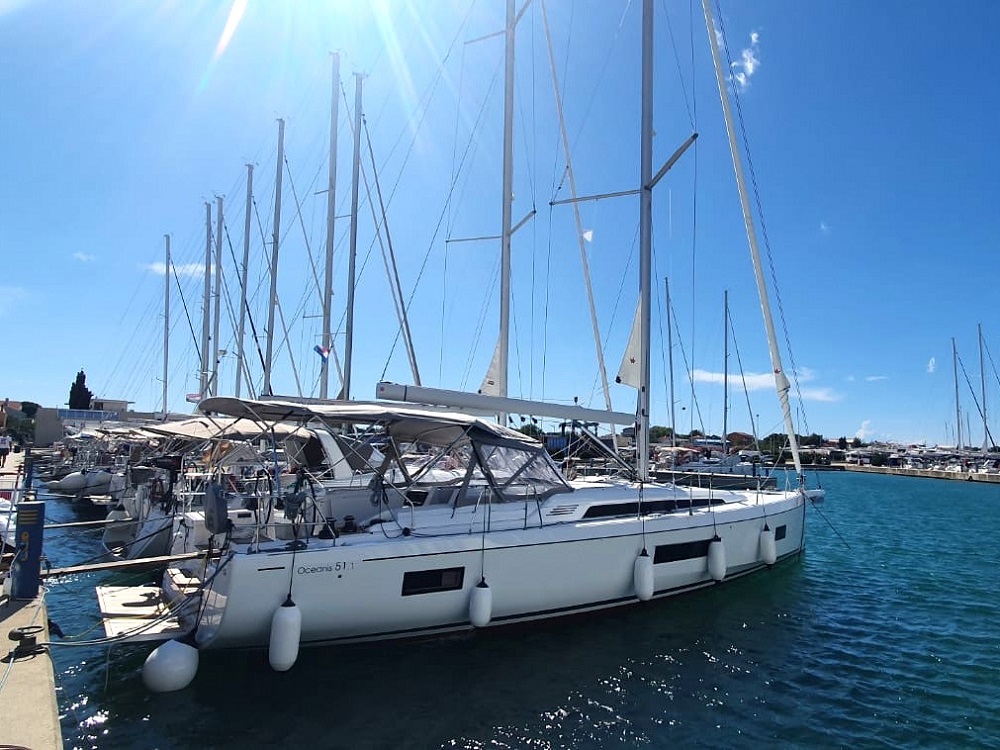
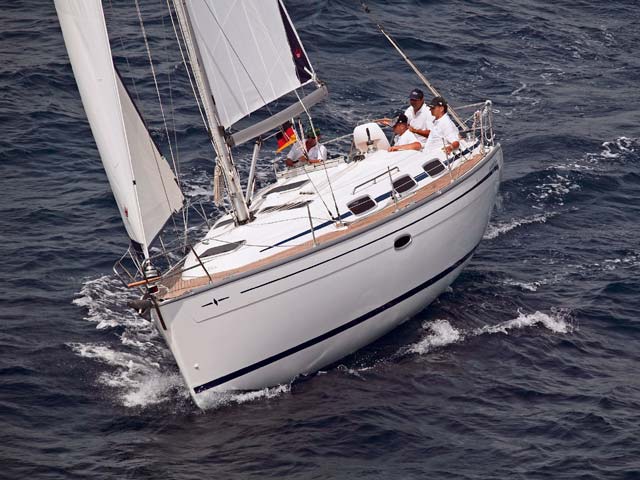
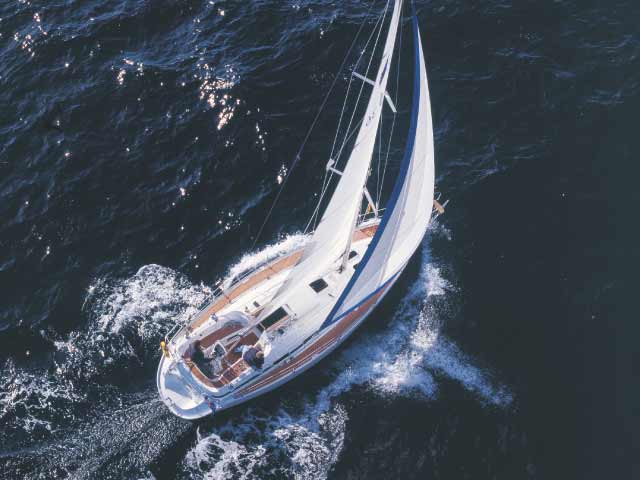
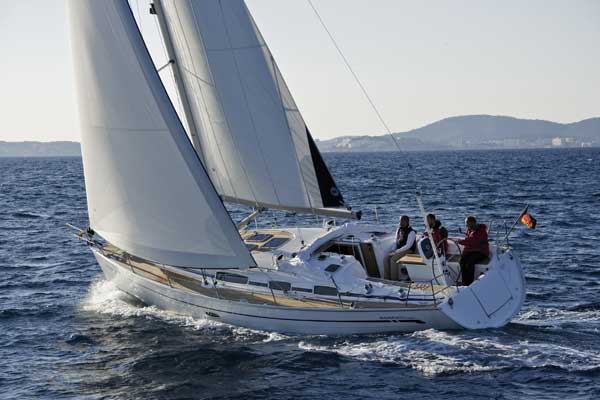
On Boatyn you'll find over 2,000 verified sailing yachts, catamarans, motor yachts and traditional gulets available for charter in Croatia — all backed by our Best Price Guarantee. Whether you're planning a bareboat adventure for an experienced crew, a skippered family holiday or a luxury crewed charter, we have the right vessel at the right price. Transparent fees, real-time availability and free cancellation on most bookings mean you can search, compare and book in minutes.
Croatia's sailing season runs May through October, with July and August drawing the largest crowds to Hvar's famous nightlife and the national park islands of Kornati. If you prefer calmer anchorages and lower prices, May, June and September offer the sweetest combination of warm weather, manageable breezes and better availability. With distances between islands rarely exceeding 20–30 nautical miles, Croatia is forgiving for novice sailors yet richly rewarding for experienced crews seeking hidden coves.
Why Sail in Croatia in 2026?
What makes Croatia consistently rank among the world's top charter destinations? It comes down to five things: reliable summer winds, short hop distances, extraordinary island variety, world-class coastal cuisine and remarkable value for money. No other Mediterranean destination packs so many distinct personalities — party island, sleepy fishing village, wine producer, UNESCO heritage town — into such a compact sailing area.
Winds & Sailing Conditions
Croatia's prevailing summer wind is the maestral, a reliable thermal breeze that builds around 10 am and typically reaches 10–15 knots along the coast — comfortable day sails even for those early in their sailing career. The bura, a fierce north-easterly katabatic wind, can appear suddenly in spring and autumn; your charter company will advise on forecasts. In high summer the Adriatic is generally benign, with calm mornings ideal for engine passages and breezy afternoons under sail.
Island Hopping Made Easy
Most popular hops — Split to Hvar, Hvar to Vis, Korčula to Mljet — are between 10 and 25 nautical miles. You can raise sail after breakfast and be moored, showered and sitting in a seafood restaurant by lunch. This island-hopping rhythm is uniquely Croatian, and the diversity is extraordinary: party island, silent national park, wine-producing hillside, Renaissance old town — all within a few hours of each other.
Something for Everyone
Croatia caters to every type of sailor. Hvar and Šolta attract a younger, energetic crowd; Vis and Lastovo are magnets for sailors seeking unspoiled nature and superb Plavac Mali wine; Korčula — birthplace of Marco Polo — rewards the historically curious. The Kornati national park offers 89 uninhabited islands, dramatic cliffs and crystal-clear water largely unchanged since Titus Livius described them in antiquity.
Food, Wine & Culture
Docking in a harbour means access to some of the finest seafood in the Mediterranean: peka (slow-cooked octopus or lamb under a domed lid), fresh grilled branzino, black risotto and local prstaci clams. Croatia's wine regions — Plavac Mali from Hvar and Pošip white from Korčula — are internationally celebrated. Many marinas have fish markets and bakeries dockside, making provisioning as much a pleasure as the sailing itself.
Top Charter Bases in Croatia
Split — Croatia's Premier Charter Hub
Split is the largest charter base in Croatia, and for good reason. ACI Marina Split sits a short walk from Diocletian's Palace — one of the best-preserved Roman monuments in the world — giving arrival day a spectacular backdrop. Split Airport is 25 minutes by road with direct flights from London, Paris, Frankfurt and dozens of European cities throughout summer. It is the natural starting point for central Dalmatian island routes: Brač, Hvar, Vis and Šolta are all within 15–20 NM. The marina has 355 berths, full technical services, a fuel dock, supermarket and laundry. Boatyn lists the highest concentration of Croatian boats based in Split.
Dubrovnik — The Pearl of the Adriatic
Iconic, beautiful and deservedly famous. ACI Marina Dubrovnik (Komolac) sits 5 km upstream in the sheltered Rijeka Dubrovačka inlet, well-protected from swell. Dubrovnik Airport is 20 minutes away. The city walls, Game of Thrones filming locations and Michelin restaurants make arrival day extraordinary. Charter range extends south to Montenegro's Bay of Kotor and north toward the Elaphiti Islands and Korčula. Important note: Dubrovnik is expensive and best accessed as a one-way end point on a Split-to-Dubrovnik route.
Zadar — Gateway to the Kornati
Underrated and increasingly popular, Zadar's marinas (Tankerkomerc and Zadar Borik) offer easy access to the Kornati national park, Telašćica nature park and the rising-star island of Dugi Otok. Zadar Airport has budget airline connections throughout Europe. Lower provisioning costs than Split or Dubrovnik and a superb morning fish market make this an excellent base for sailors who prefer nature over nightlife. The town's Roman forum and world-famous Sea Organ are worth exploring on embarkation day.
Šibenik — UNESCO Old Town & Kornati Access
The gateway to the Kornati archipelago and the Krka river estuary. Marina Šibenik is a modern, award-winning facility with 550 berths, a spa and excellent restaurants. Šibenik's old town — a UNESCO World Heritage Site with the remarkable St James Cathedral — is walkable from the dock. Excellent as a mid-point or home base for round trips combining the Kornati national park with the Dalmatian island chain, and well positioned for Krka waterfalls excursions.
Rovinj — Istria's Most Romantic Town
Croatia's most romantic harbour town and the ideal base for exploring the Istrian peninsula. Marina Rovinj has 400 berths with reliable infrastructure. Day sails to the Brijuni national park islands are possible, Venice is reachable in around 3 hours under sail, and the truffle country of the Istrian hinterland is accessible by bicycle from the marina. Perfect for couples and food lovers who want to combine sailing with outstanding restaurants and local wine.
Suggested Croatia Itineraries
Classic Dalmatia: Split → Hvar → Vis → Brač → Split
Central Dalmatia's greatest hits in a week. Depart Split and sail south to Hvar town (18 NM) — enjoy aperitivo in the piazza and dinner at one of the harbour restaurants. Day 2: explore Hvar's Stari Grad Plain (UNESCO) and sail to Vis (22 NM). Day 3: Vis — snorkel the Blue Cave at Biševo (book well in advance), lunch at Konoba Bako. Day 4: Vis to Šolta, swim in quiet coves and taste local wine at a hilltop konoba. Day 5: Brač, swim at Zlatni Rat beach — one of Croatia's most photographed spots. Day 6: Brač to Marina Milna, sunset from the bell tower. Day 7: Return to Split (30 NM), final provisioning and handover.
- Hvar old town
- Blue Cave Biševo
- Zlatni Rat beach
- Vis Plavac Mali wine
One-Way Split → Dubrovnik
The classic prestige one-way route. Days 1–2: Split and Hvar. Days 3–4: Vis and Lastovo national park (the darkest skies in Croatia, free from light pollution). Day 5: Korčula old town — walk the same streets Marco Polo once knew. Day 6: Mljet national park, sail into the salt lakes and swim in their warm, calm water. Day 7: Anchor overnight in Polače bay, sheltered and wild. Day 8: Šipan island in the Elaphiti group, figs and olive groves. Day 9: Lopud — car-free island with the finest sandy beach on the southern Adriatic. Day 10: Arrive Dubrovnik; walk the walls at sunset.
- Lastovo dark skies
- Korčula old town
- Mljet salt lakes
- Dubrovnik city walls
Northern Gems: Zadar → Kornati → Šibenik → Zadar
A less-travelled route for sailors who prefer nature over nightlife. Day 1: Zadar old town — Roman forum and the world-famous Sea Organ. Day 2: Dugi Otok, Sakarun beach (regularly ranked Croatia's best beach). Day 3: Enter Kornati national park — moor only at designated buoys; the fee covers park entry. Day 4: Anchor in Telašćica nature park, swim beneath dramatic 160-metre cliffs. Day 5: Šibenik via the Krka river mouth. Day 6: Explore Šibenik old town and St James Cathedral (UNESCO). Day 7: Return to Zadar via the Kornati outer islands.
- Sakarun beach
- Kornati 89 islands
- Telašćica cliffs
- Šibenik UNESCO cathedral
Yacht Charter Prices in Croatia 2026
| Boat Type | From | Up to | Notes |
|---|---|---|---|
| Sailing Yacht (38–42 ft) | €1,500/week | €3,200/week | Shoulder season (May, June, Sept) |
| Sailing Yacht (38–42 ft) | €2,500/week | €4,500/week | Peak season (July–August) |
| Catamaran (40–46 ft) | €3,500/week | €6,500/week | Shoulder season |
| Catamaran (40–46 ft) | €5,500/week | €9,000/week | Peak season |
| Motor Yacht (35–42 ft) | €2,800/week | €5,500/week | Fuel extra |
| Gulet (8–12 pax, crewed) | €4,500/week | €12,000/week | Crew, meals & fuel often included |
Prices are indicative for the 2026 season. Actual rates vary by vessel, week and availability. Boatyn's Best Price Guarantee means you'll never pay more than booking direct with the charter company.
Practical Information for Croatia Charters
Visa & Entry
EU/EEA citizens need only a valid ID card. US, UK and Australian passport holders are visa-free for up to 90 days in any 180 days — Croatia joined the Schengen Area in January 2023. No additional paperwork required at Croatian ports.
Currency
Croatia adopted the Euro (€) in January 2023. Cards are widely accepted in marinas, restaurants and shops. Carry cash for smaller konobas, national park entrance fees and harbour boys who assist with mooring lines.
Med Mooring
Stern-to (Mediterranean) mooring is standard throughout Croatia. ACI marinas provide laid mooring lines (lazy lines); elsewhere you'll use your own anchor. Practice the manoeuvre before peak season — the approach to a busy Hvar quay with an audience is not the moment to learn.
Provisioning
Provision fully in Split or Zadar before departure. SPAR and Konzum supermarkets are within walking distance of most major marinas. Fresh fish markets operate daily in Zadar and Split. On smaller islands, choice is limited and prices higher.
National Parks
Kornati (€25/person/day), Mljet (€25/person/day) and Lastovo (€10/person) require mooring reservation in advance, especially July–August. Fees include basic facilities. Buoy booking via the park authority website or through your charter company.
Weather & Forecasting
Download Windy and the DHMZ (Croatian Meteorological Service) app. VHF Channel 73 broadcasts weather forecasts in Croatian and English every 4 hours. The bura can develop quickly — always check before leaving a sheltered anchorage in spring or autumn.
Frequently Asked Questions: Croatia Yacht Charter
Do I need a sailing licence to charter in Croatia?
Yes. Croatia requires a valid sailing qualification (ICC, RYA Day Skipper or national equivalent) for bareboat charter. If you don't hold a licence, you can charter with a professional skipper — Boatyn can arrange one for approximately €150–€200/day extra.
When is the best time to charter a yacht in Croatia?
June and September offer the best balance: warm weather (25–28°C), fewer crowds, calmer anchorages and lower prices than peak. July and August deliver the most reliable winds and the most vibrant atmosphere — but book 6–9 months ahead, particularly for catamarans.
How many days do I need for a Croatia sailing holiday?
7 days (Saturday to Saturday) is the standard charter week. 10–14 days is ideal for the Split-to-Dubrovnik one-way route or thorough exploration of the Kornati archipelago. Minimum meaningful charters start at 5 days for the central Dalmatian islands.
What's included in the charter price?
A standard bareboat charter includes the vessel, basic safety equipment, life jackets, flares and dinghy. Not typically included: fuel (diesel), mooring fees, tourist tax (per person per night), end-clean fee and provisioning. Boatyn displays all mandatory extras transparently before you book — no surprises.
Are Croatia national parks worth visiting by boat?
Absolutely. Kornati and Mljet are among the most dramatic seascapes in Europe, and the mooring fees (€20–€25/person/day) are modest. Lastovo national park is the least-visited and arguably most beautiful. Booking buoys in advance is essential in July and August.
Can I sail from Croatia to Italy or Montenegro?
Yes. The Adriatic crossing to Italy takes around 12 hours in favourable conditions. Montenegro (Bay of Kotor) is a very popular extension from Dubrovnik, roughly a day's sail south. Ensure your charter contract covers international waters — not all standard contracts do.
How crowded is Croatia in summer?
Hvar, Dubrovnik and Korčula attract large crowds in July–August, but sailing's greatest advantage is that you only need to sail 2–3 miles from any ferry port to find a deserted cove. The Kornati archipelago and Lastovo remain uncrowded even at peak. Depart ports before 10 am to secure the best anchorages.
What are typical fuel costs in Croatia?
Diesel in Croatian marinas costs approximately €1.30–€1.50/litre. A typical sailing week on a 40-ft yacht (mixing sailing and motoring) burns 100–200 litres, adding roughly €150–€300 to trip costs. Catamarans with two engines use more fuel when motoring.
Are catamarans better than monohulls for Croatia?
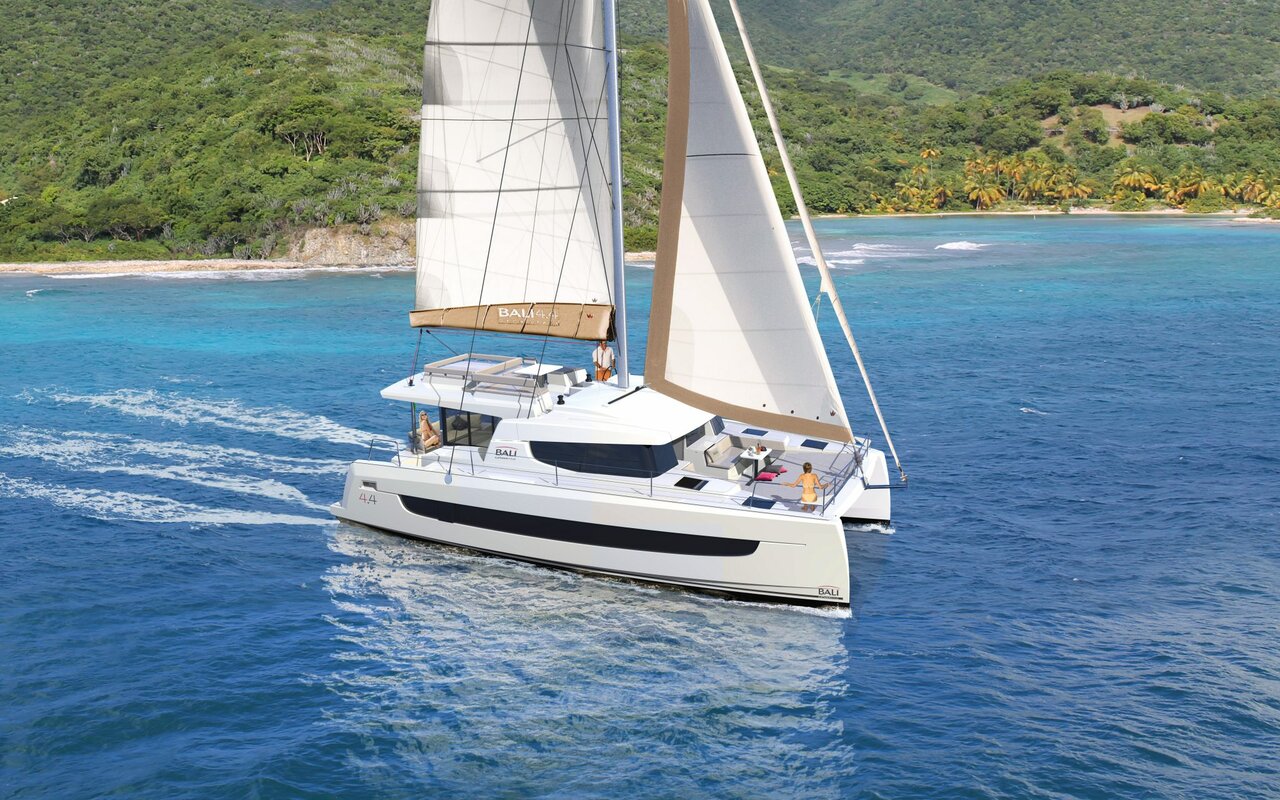
Both are excellent. Monohulls are cheaper, more responsive and fit into smaller traditional harbours. Catamarans offer more living space, a stable platform ideal for children, shallow draft for swimming stops, and more comfortable overnight anchoring. Groups of 6+ almost universally choose catamarans.
What happens if there is a problem with the boat?
All Boatyn-listed charter partners are vetted and carry full insurance and a 24/7 emergency contact. Report any technical issue immediately to both the charter base and Boatyn's support team. Our Best Price Guarantee also covers support throughout your charter, not just at booking.
How far in advance should I book a Croatia yacht charter?
For peak July–August, especially catamarans, book 6–9 months ahead. Shoulder season (May, June, September) can usually be booked 4–8 weeks in advance. Last-minute deals occasionally appear but choice is limited. Boatyn notifies newsletter subscribers of late availability.
Is Croatia safe for sailing?
Croatia is among the safest sailing destinations in the world. The coast is extremely well-charted, marinas and anchorages appear every 10–15 NM, the coast guard is active and English is widely spoken in all marine facilities. Emergency services respond quickly throughout the Dalmatian coast.
Other Popular Charter Destinations
Ready to charter in Croatia?
Browse our full fleet with real-time availability, transparent pricing and no hidden fees.
Search Croatia yachts